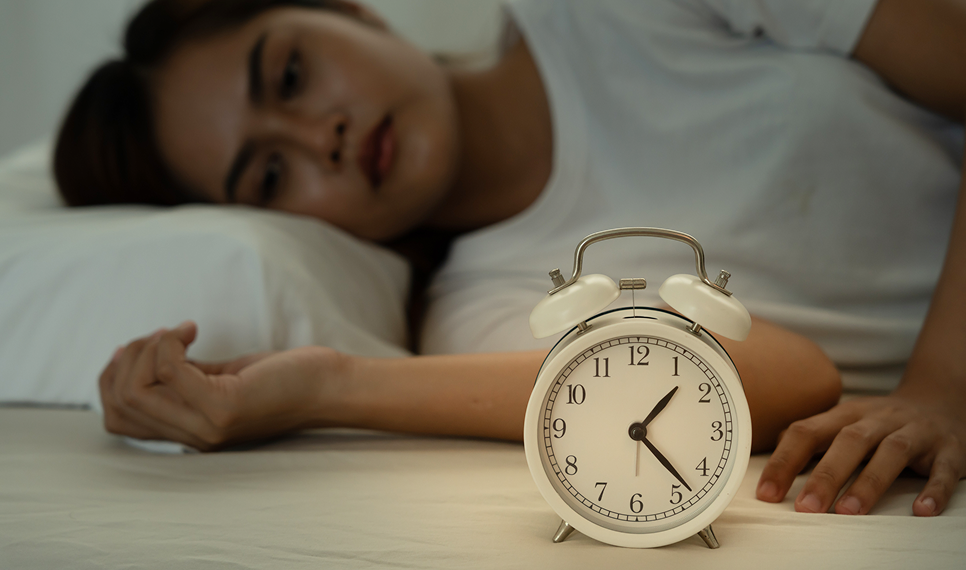

Sleep follows a cyclical pattern, comprising stages of sleep that each serve a purpose. These stages include REM (rapid eye movement) sleep and non-REM sleep. Each night, we transition through these stages in a repetitive manner, typically spanning across four to six sleep cycles of varying length. This intricate balance of sleep cycles is an essential aspect of our nightly rest, also heavily influencing our health and well-being during waking hours.
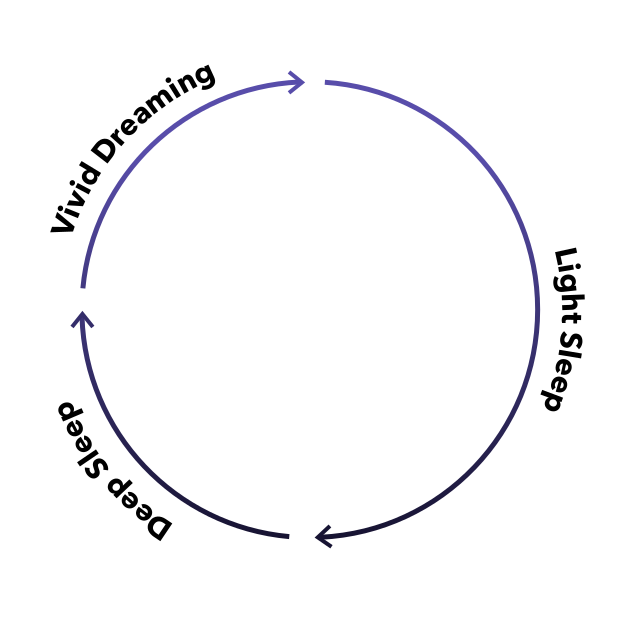
This image was adapted from the Sleep Foundation.
As its name suggests, REM (rapid eye movement) sleep is characterized by rapid movements of your eyes behind your eyelids. You’ll likely enter your first period of REM sleep for the night around 90 minutes after you first fall asleep. During this time, we see increased brain activity, and you may have some of your most vivid dreams. One clever function during REM sleep is the temporary paralysis of our muscles, which may be to stop us from physically acting out these vivid dreams. REM is about so much more than dreams, though—this stage plays a pivotal role when it comes to our cognitive functions, learning, and memory consolidation.
If you’re getting a full eight hours of sleep (in an ideal world), you’ll likely go through four to six sleep cycles each night. Each one of these consists of a transition through all three stages of non-REM sleep, followed by REM sleep. A complete sleep cycle lasts around 90–110 minutes in total.
The structure and length of each sleep cycle can change throughout the night. Typically, in the earlier part of the night, you will spend more time in non-REM sleep, but towards the later part of the night, the REM stage can last longer. The sleep cycle can also vary a lot depending on your age. People over 60, for example, spend less time in REM sleep, and their sleep cycles are shorter than younger adults.
While the sleep cycle can vary (and indeed does, over the course of the night), it’s also an intricate balance that we rely on for sleep quality, memory consolidation, emotional processing, physical restoration, and immune function. When the sleep cycle is disrupted (e.g., by alcohol, drugs, sleep disorders, and other conditions that may cause sleep disturbances), this can have a big impact on our overall well-being and daily functioning.