
Sleep plays a vital role in how you think, feel, and function. When insomnia leads to lost sleep and sleep debt builds up, it can affect far more than just your energy levels. These effects can extend to your focus, mood, productivity, and overall health.
Understanding the connection between insomnia and sleep debt is an important first step towards getting the right support and discussing treatment options with your doctor.
Short-term (acute) insomnia typically lasts from one night to a few weeks. It can arise during periods of stress or change, such as a new job, travel, illness, or shifts in your sleep environment.
During this time, the effects can show up quickly. These symptoms are your body’s way of signalling that your sleep patterns have been disrupted and may need attention.

Fatigue

Daytime sleepiness

Difficulty concentrating

Difficulty remembering things

Mood disruptions such as irritability

Difficulty thinking clearly

Short-term sleep issues can often be managed with better sleep habits like setting a consistent bedtime, addressing environmental triggers, or limiting evening screen time. Explore expert resources from Dr. Stephanie Liu on building better sleep habits.
Meet Dr. Stephanie Liu
Get to know what proper sleep hygiene is and how to improve yours
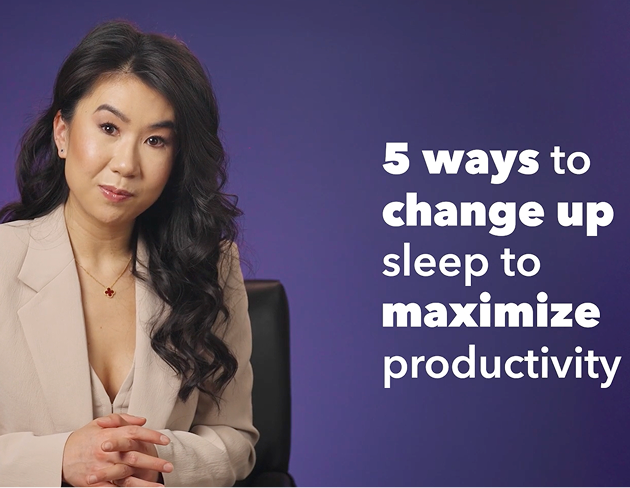
Learn 5 ways to change your sleep habits to improve your daytime productivity

Discover how maintaining a sleep diary can help your doctor identify and understand your sleep problems

Explore simple ways to reduce stress and support a better night’s sleep
Long-term (chronic) insomnia occurs when sleep difficulties happen at least three nights a week for three months or longer. It can either develop on its own or be triggered by factors like depression, chronic stress, or ongoing pain or discomfort at night.
Chronic insomnia often can’t be resolved through quick fixes alone and may need medical guidance and long-term management to achieve more restorative sleep. Talking with your doctor can help identify approaches that best support your individual needs.

If you're experiencing persistent sleeplessness, take this short, clinically validated self-assessment to see where your sleep challenges may fall and if it is time to talk to your doctor. Safe and effective treatment options are available, ranging from lifestyle changes to prescription medicines designed to support restorative sleep.
Take the AssessmentSleepDebt.ca has partnered with leading Canadian physicians to get their takes on how long-term sleep issues can affect overall health and why timely recognition of insomnia matters.
If sleep problems have become a persistent part of your life, know that safe, effective, and medically recognized treatment options are available in Canada.