Understanding the Relationship Between Sleep Issues and Menopause

Poor sleep is a common yet often overlooked symptom of menopause.
Sleep issues can begin before menopause, linger throughout, and even continue beyond. And when you’re already navigating the physical and emotional changes that come with this stage of life, sleepless nights can make everything feel even harder. The information below can help to uncover how perimenopause and menopause may affect your sleep.


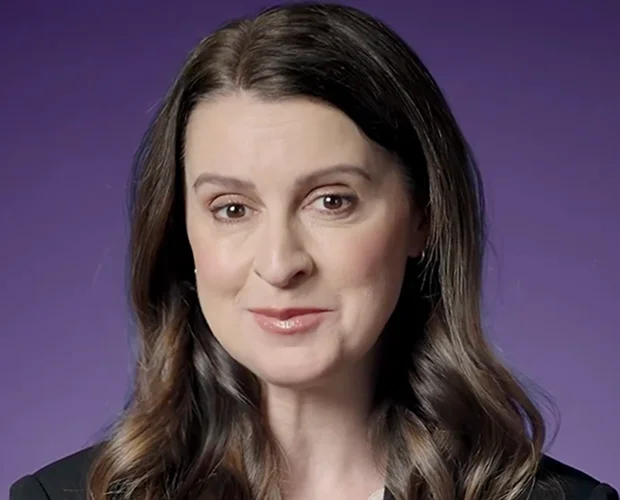
Dr. Shea is an Obstetrician and Gynecologist who has dedicated her career to understanding menopause and reproductive mental health. She has an expanded scope of practice recognized by the College of Physicians and Surgeons of Ontario in the field of Reproductive Mental Health. With training in both gynecology and psychiatry, Dr. Shea understands how patient experiences and hormones interact to affect their overall well-being.
Discover simple strategies that may support healthier sleep during menopause
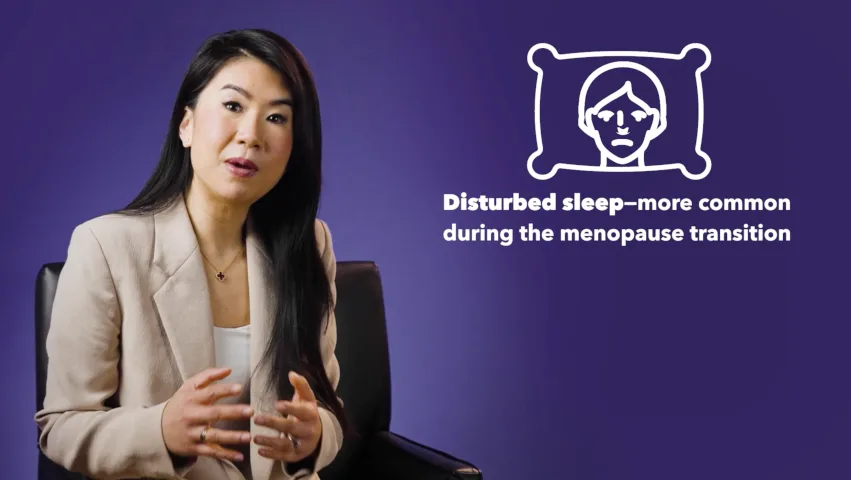

The Menopause Foundation of Canada is a national non-profit organization dedicated to closing the menopause knowledge gap, improving access to menopause care and treatment, and creating menopause-inclusive workplaces. Visit the website to access free, evidence-based resources.
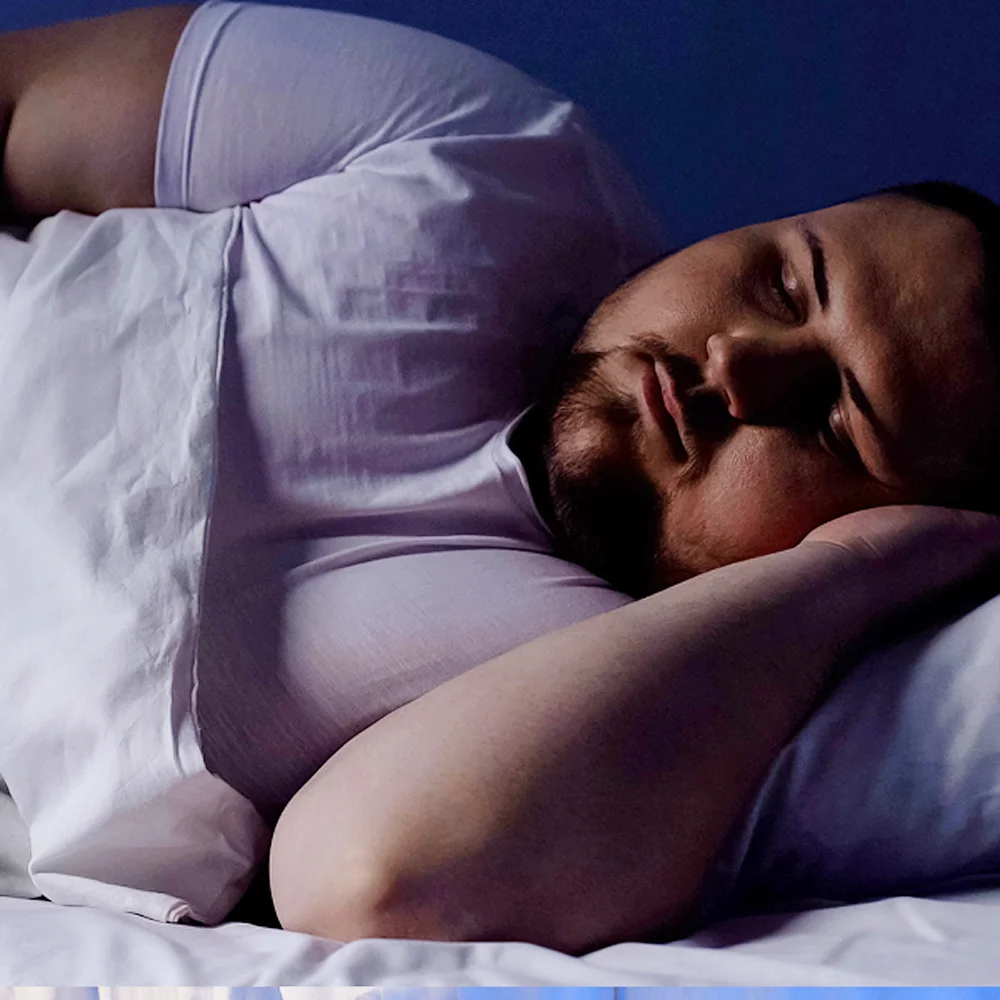
Learn about the cycle of weight gain and sleep issues with Dr. Sue Pedersen (Endocrinologist)

Discover the impact of sleep issues on mental health with Dr. Diane McIntosh (Psychiatrist)
Learn about the hidden connection between sleep and migraine with Dr. James Kim (Family Doctor)
Take this short, clinically validated self-assessment to see where your sleep challenges may fall—from mild to more serious—and if it might be time to talk with your doctor.
Yes. Sleep problems are very common during perimenopause and menopause, affecting up to 60% of women. Hormonal changes, especially decreases in estrogen and progesterone, can trigger hot flashes, night sweats, and other symptoms that disrupt sleep. These issues often begin in perimenopause and can continue afterward.
When poor sleep becomes frequent, it creates ongoing sleep debt—a buildup of missed sleep that drains energy and affects mood regulation.
Take our short self-assessment to see whether insomnia could be contributing to your sleep debt during menopause.
Yes, it’s important to talk to your doctor. While sleep issues are common during menopause, they’re not something you have to accept. Quality sleep is vital for your mood, daytime energy levels, and long-term health. Your doctor can identify whether insomnia or another sleep disorder is involved and help tailor treatment to your needs.
Unaddressed sleep debt during menopause can worsen fatigue, mood changes, and cognitive fog.
Complete the short self-assessment and bring your results to your next visit, along with your Doctor Discussion Guide, to plan your next steps.
