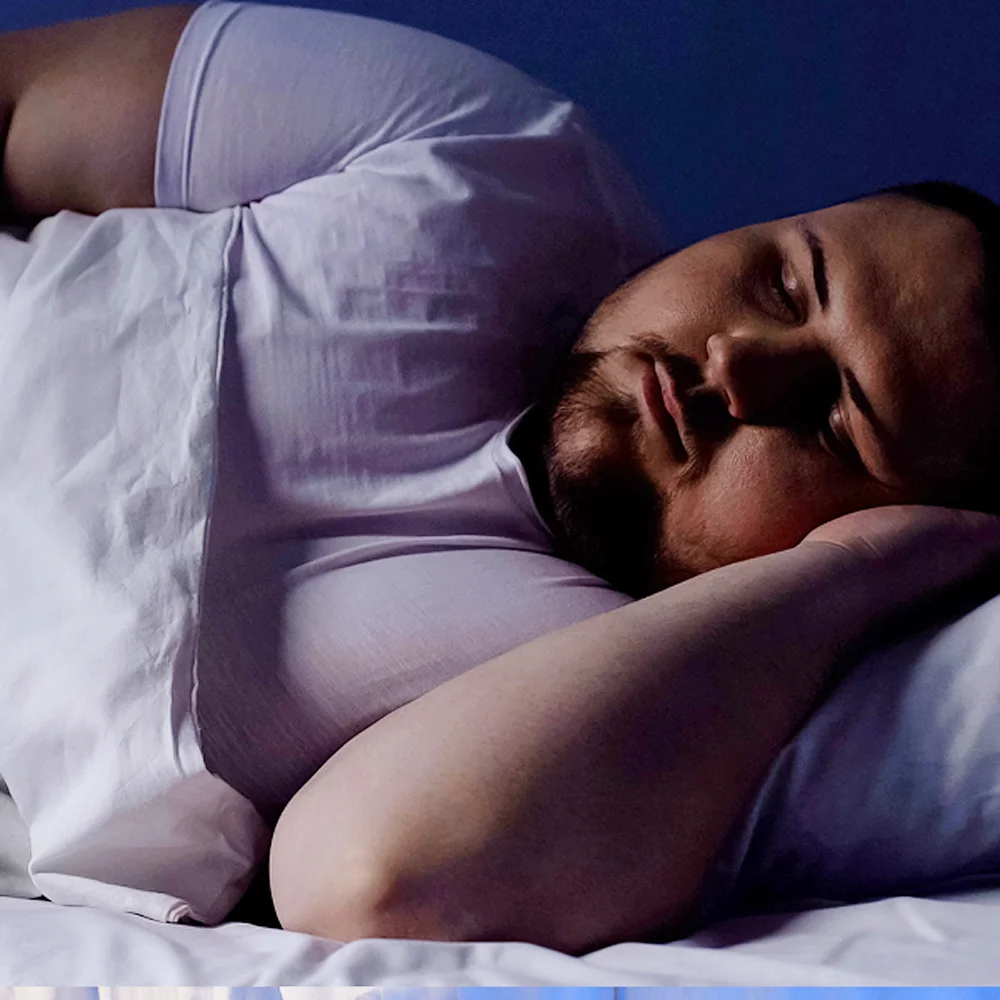
The Impact of Sleep Issues on Mental Health


We've all felt the grumpiness that usually follows a bad night's sleep. But the connection between sleep and mental health goes far beyond just feeling cranky.
When sleep issues disrupt your ability to get quality rest, it can affect how you think, feel, and cope with daily stress. In fact, long-term insomnia has been linked to an increased risk of depression, anxiety, and other mental health issues. Conversely, struggling with your mental health can often be the very thing that keeps you awake at night, creating a challenging cycle that can be difficult to break.
Take a closer look at the two-way relationship between sleep and mental health, and how it may affect your well-being.

Dr. McIntosh is a widely respected psychiatrist, author, educator, mental health advocate, and authority on the diagnosis and treatment of mood and anxiety disorders. In addition to 25 years of direct experience providing patient care, Dr. McIntosh’s career-long focus has been on improving access to evidence-based psychiatric knowledge and expertise through technology and education. She co-founded SwitchRx, an online psychotropic switching tool used by over 100,000 healthcare professionals worldwide, and is the founder of PsychedUpCME, a continuing medical education program. Dr. McIntosh is the author of three books and is the Founder and CEO of an innovative mental health technology, RAPIDS, which was developed to support clinicians by providing them with rapid access to personalized, evidence-based psychiatric guidance.

Explore simple ways to reduce stress and support a better night’s sleep
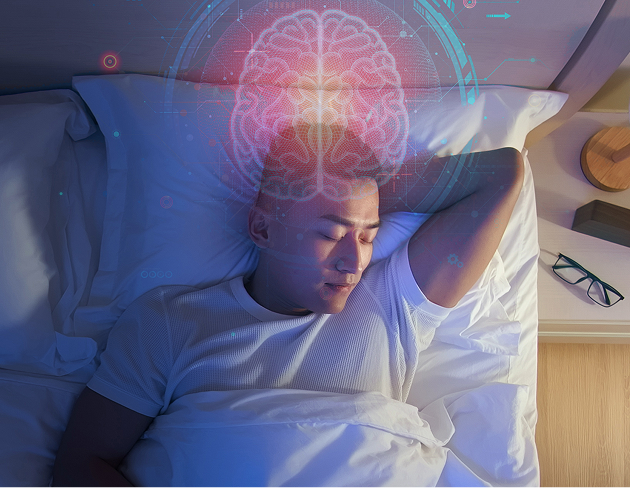
Appreciate the connection between sleep quality and mental health and take action
Discover how poor sleep is linked to depression and anxiety, and when it may be time to seek help
Explore how better sleep can help support your emotional well-being

Mood Disorders Society of Canada (MDSC) is a patient-focused organization dedicated to improving the lives of people affected by mental illness through education, advocacy, and support. To address the need for accessible, reliable information on sleep and mental health, MDSC developed evidence-based resources and practical tools to help people improve their sleep.
Take this short, clinically validated self-assessment to see where your sleep challenges may fall—from mild to more serious—and if it might be time to talk with your doctor.


Absolutely. Sleep and mental health share a bidirectional relationship—poor sleep can worsen anxiety or depression, while those same conditions can disrupt sleep.
Ongoing sleep debt can intensify emotional instability and make stress harder to manage.
Take our short self-assessment to determine if insomnia might be contributing to your sleep debt and mood changes.
Yes. Even one night of poor sleep can impair the parts of the brain that manage emotions and stress, affecting emotional regulation.
When this becomes frequent, you are accumulating sleep debt. This makes irritability and mental health issues more likely to persist.
Try the short self-assessment to explore whether insomnia could be driving your ongoing sleep disruption.
Yes. Sleep quality directly affects mental health treatment outcomes and medication effectiveness. Sharing your experience with sleep issues helps your doctor tailor care to your full health picture.
Addressing sleep debt is an important step in improving emotional and physical recovery.
Complete the short self-assessment and bring your results to your next appointment to guide the discussion.