
Canadian doctors recommend treatment for people struggling with sleep due to insomnia.
Insomnia is a recognized medical condition defined by ongoing difficulty falling asleep, staying asleep, and/or waking up too early and being unable to return to sleep. It can have both short-term and long-term impacts on daily life and overall health.
They can help determine whether insomnia may be the cause and discuss which treatment approaches are most appropriate for you.
You can also take our short, clinically validated self-assessment to see where your sleep challenges may fall and help guide your conversation.
Sleep hygiene refers to healthy habits and routines that help improve sleep quality, such as reducing light and noise in your bedroom or creating a relaxing “wind down” routine before bed. It can also involve lifestyle adjustments like cutting down on caffeine and being mindful of exercise timing.
While good sleep hygiene supports better rest, it alone will not treat insomnia. If sleep problems continue, talk to your doctor to explore additional treatment options.
Start with some sleep hygiene tips from Dr. Stephanie Liu (Dr. Mom)

CBT-I is a discussion-based approach that can help you identify and address thoughts, feelings, or behaviours that contribute to sleeplessness.
Dr. Stephanie Liu (Dr. Mom) discusses when to seek counselling with CBT-I

Over-the-counter sleep aids are products you can buy at most pharmacies without a prescription. While these products may help with occasional sleeplessness, many of them are not clinically approved for insomnia and are not intended for long-term use. Some OTC products have uncertain effectiveness or risky side effects that may outweigh their benefits, so it’s important to talk to your doctor or pharmacist before starting a new product.
Because there are so many over-the-counter product options, this list is not comprehensive.

Antihistamines block the action of the chemical called histamine, which works in the brain to promote wakefulness. Because of this, antihistamines can cause drowsiness and may help with occasional sleep difficulties. However, they may lead to next-day grogginess or other side effects, and are not meant for long-term use.
Melatonin is a hormone produced naturally in your body to help regulate sleep-wake cycles. While melatonin is widely available as a supplement and is included in many OTC sleep aids, it is not clinically approved for insomnia and is not intended for long-term use. Evidence for its effectiveness in treating insomnia is limited. Talk to your doctor or pharmacist before using melatonin, especially if you have ongoing sleep difficulties or take other medications.
Valerian root is a traditional herbal medicine that contains chemical compounds that may impact the human brain and body. Currently, it is not fully understood which of those compounds affect sleep. Valerian root is not considered a clinically approved treatment for insomnia, and evidence on its effectiveness remains limited.
Prescription sleep medicines are one of several options used to help manage clinical sleep disorders like insomnia. There are newer prescription medicine options available that are not associated with dependence and are intended to support a physiological sleep-wake rhythm with minimal impact on next-day functioning.
Your doctor can help determine whether a prescription sleep medicine may be appropriate for you, and discuss which type of treatment best fits your needs.
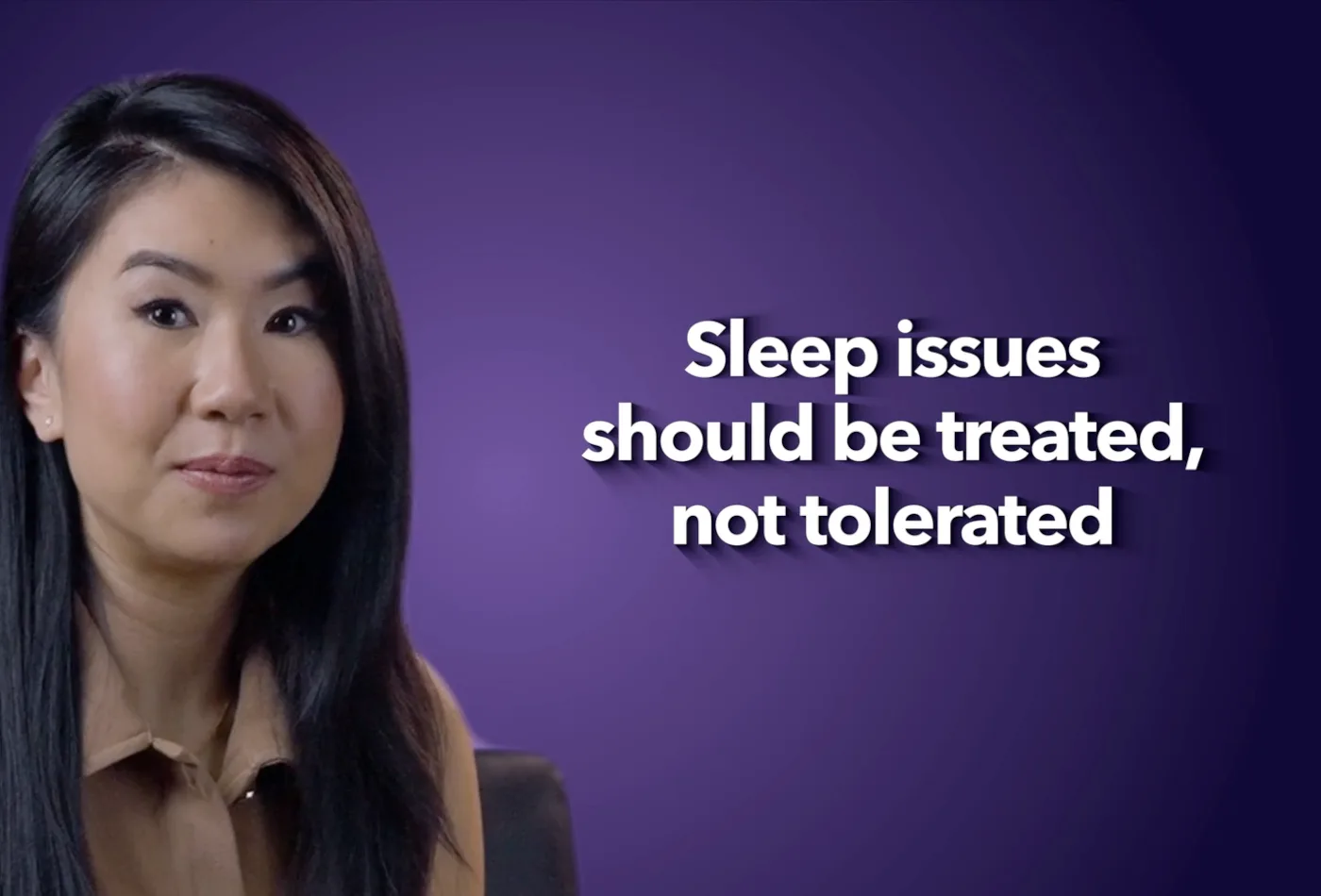
Watch this short video to learn about your brain’s sleep and wake systems—and how different prescription sleep medicines work on these systems in different ways. Then explore each treatment type in more detail below.
Orexins are substances that naturally occur in your body and bind to certain receptors in your brain to keep you awake. Dual orexin receptor antagonists, or DORAs, are a newer class of prescription sleep medicines that temporarily block the activity of orexin receptors. By reducing excessive or inappropriately timed wake signals, DORAs help support the body’s natural ability to fall asleep and stay asleep.
These sleep/wake stabilizers represent a novel approach to treating insomnia and are different from traditional sedative hypnotic medicines, in that they are non-habit forming and target the wake system directly by suppressing the wake drive to promote a sleep–wake balance.
* Take your medication exactly as your doctor prescribed and for as long as they recommend.
Benzodiazepines—often referred to as “benzos”—are Schedule 4 controlled substances. These traditional prescription sleep medicines work by enhancing the effect of a brain chemical called gamma-aminobutyric acid (GABA). This slows activity in the nervous system, helping people fall asleep more quickly and wake less often during the night.
Because benzodiazepines can cause tolerance and/or dependence, they are generally prescribed for short-term use and always under a doctor’s supervision.
* Take your medication exactly as your doctor prescribed and for as long as they recommend.
Z-drugs are traditional prescription sleep medicines that enhance the effect of a brain chemical called gamma-aminobutyric acid (GABA). By calming brain activity, they help people fall asleep and stay asleep.
Because z-drugs can cause tolerance and/or dependence, they are generally prescribed for short-term use and always under a doctor's supervision.
* Take your medication exactly as your doctor prescribed and for as long as they recommend.
Tricyclic antidepressants, or TCAs, are an older class of prescription medicines originally developed to treat depression.
This traditional medication works by influencing certain brain chemicals that help regulate sleep, allowing the body to relax and fall asleep more easily.
* Take your medication exactly as your doctor prescribed and for as long as they recommend.
Not sure how to approach the topic of sleep issues with your doctor? We’ve got you covered. Access practical tools including a self-assessment, a sleep diary, and a printable Doctor Discussion Guide.
Take this short, clinically validated self-assessment to see where your sleep challenges may fall—from mild to more serious—and if it might be time to talk with your doctor.


Like all medications, sleep medicines can have side effects, which vary by medication type and individual response. Some may cause next-day drowsiness, withdrawal, or dependency if used improperly. Always consult your doctor before starting, stopping, or adjusting any sleep medication.
Understanding whether insomnia is the source of your sleep debt can help your doctor choose the safest treatment path.
Complete our short self-assessment to share your results with your doctor at your next appointment.
Most traditional prescription sleep medicines—such as benzodiazepines or Z-drugs—are intended for short-term use (7–10 days).
However, there are newer prescription sleep medicines available that work differently from traditional options, are more suitable for long-term use, are not associated with physical dependence, and are intended to support a physiological sleep-wake rhythm with minimal impact on next-day functioning.
Take our short self-assessment to see if insomnia may be contributing to your ongoing sleep debt.
The best treatment depends on your specific sleep challenges, health history, and lifestyle. Your doctor can help match the right treatment to your unique needs.
Clarifying whether insomnia is behind your sleep debt can make that discussion more effective.
Complete our short self-assessment and print your results to help prepare for your next doctor’s visit.
