


Insomnia is having trouble falling asleep or staying asleep, and can be short-term (situational) or long-term (chronic). If left untreated, insomnia can take a serious toll on your body and overall well-being.

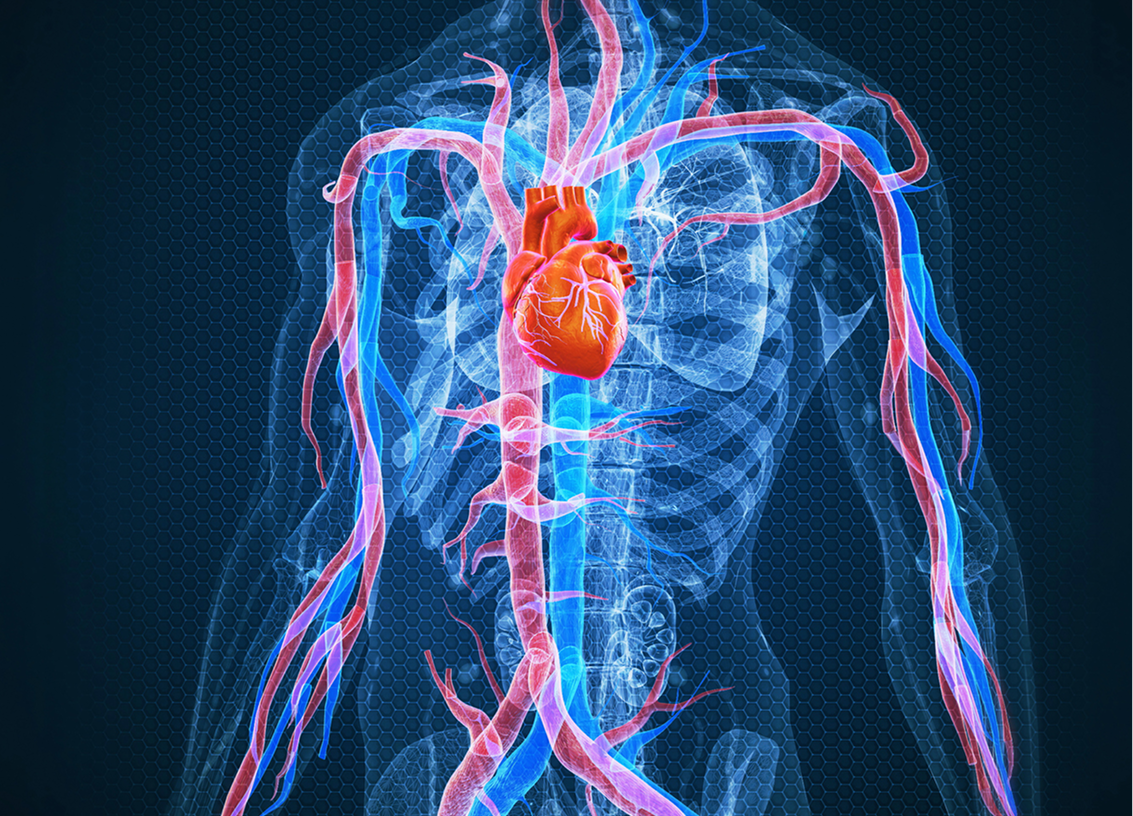
When you don't get enough sleep, your body lacks the downtime it needs to regulate different functions and organs, including your heart, blood vessels, and overall circulatory health. Long-term effects of insomnia can include:
Increased blood pressure
During normal, healthy sleep, your blood pressure drops. This “nocturnal dipping” is important for good heart health, and a lack of sleep can prevent this dip. This may raise your risk of hypertension, or high blood pressure. Hypertension puts extra strain on your heart and blood vessels and is associated with higher risks of heart disease and stroke.
Increased risk of heart disease
Studies have shown that people with chronic insomnia are more likely to develop heart disease. Being sleep deprived can lead to inflammation and plaque buildup in the arteries. Over time, this narrows the arteries, making it more difficult for blood to flow and elevating the risk of heart diseases, including heart attacks.

Improving sleep hygiene can be a powerful first step in addressing insomnia. Try establishing a regular sleep schedule, creating a comfortable sleep environment, and limiting exposure to screens before bedtime. Practices such as mindfulness, relaxation techniques, and regular physical activity can also help improve your sleep quality.
If sleep problems persist, book an appointment with your doctor. Remember, insomnia is more than just an inconvenience—it can have serious long-term effects on your overall health. Wondering if it’s time to seek professional help? Check out Dr. Liu’s video about knowing when to have to a conversation with your doctor.



Take this short, clinically validated self-assessment to see where your sleep challenges may fall—from mild to more serious—and if it might be time to talk with your doctor.